
Merak Sakteng Trek
- (9 Reviews)
Trip Introduction
In Bhutan, Merak Sakteng stands out as a distinct attraction.
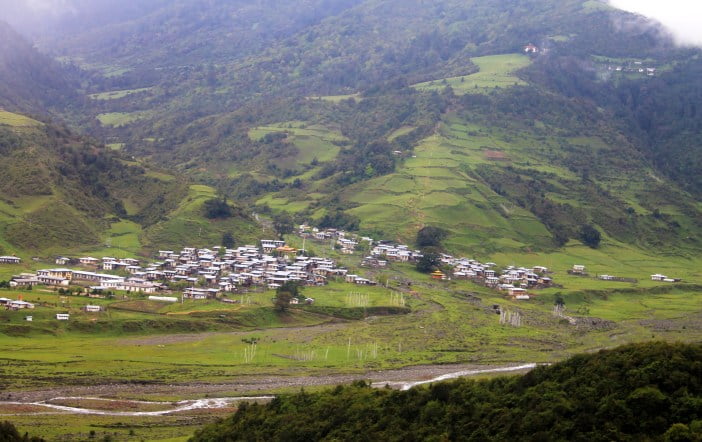
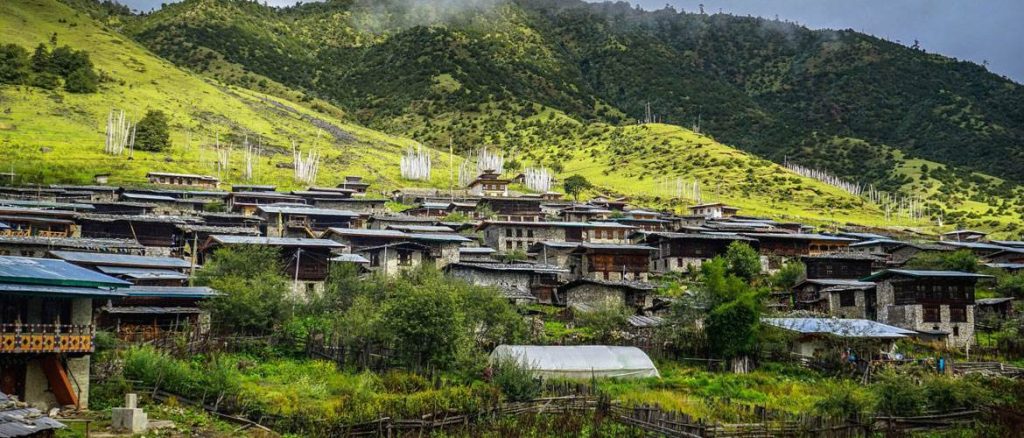
Unlike anywhere else in the country, it offers a visitor a unique semi-nomadic lifestyle, culture and vernacular experience. It is one of the most scenic pastoral valleys in the protected area of Sakteng Wildlife Sanctuary (SWS) in Trashigang Dzongkhag (District), in Eastern Bhutan.
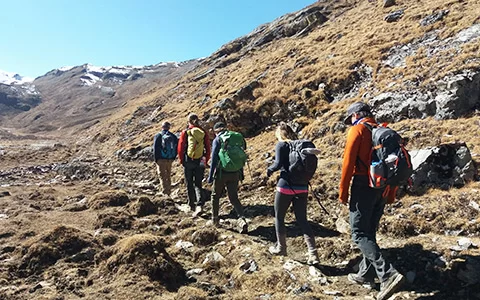
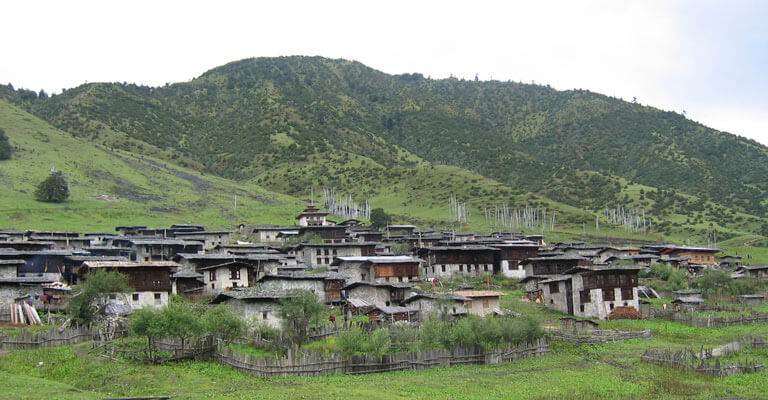
Merak Sakteng is a moderate trek (between 1,500 and 4,100 m) that runs through the semi-nomadic villages of Gengu (3400 m), Merak (3500 m), Sakteng (2800 m), Thakthi (2200 m) and Joenkhar (1700 m).
Tour operators are not required to use a specific trail. But the most common trail usually starts at Chaling and ends at Phongmey. Both these Merak and Sakteng Geogs are an important watershed for both Ngere Ama chu and Gamri chu rivers.
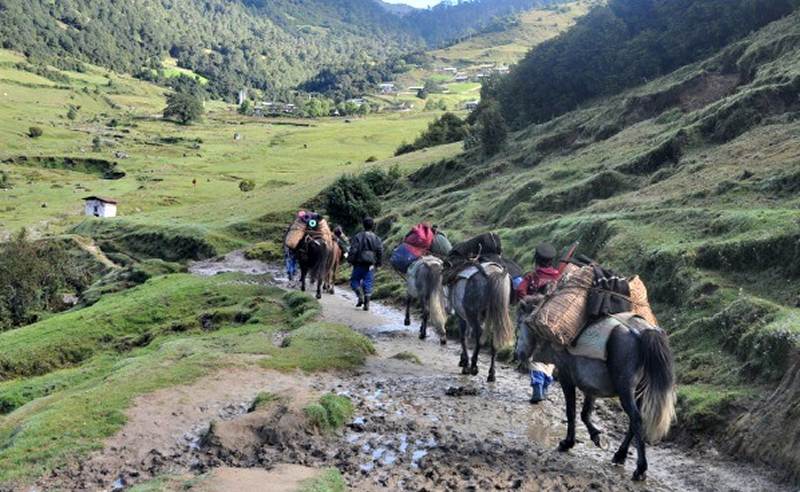
The campsites were designed to mix esthetically with local architecture and atmosphere. Enclosed by a stone wall (with a gate to bring in the ponies to unpack paraphernalia trekking), the campsite is equipped with facilities such as tent sheds, toilets, kitchens (in some), dining area and water supply.
A signage describing location, altitude, type of forest, fauna, additional local hiking trails, distance and time. To the next camp welcomes a visitor to each campsite.
Sakteng Wildlife Sanctuary
The trek lies within the Sakteng Wildlife Sanctuary (SWS). It was created in April 2003 with a strong agenda for conservation and to protect the unique assemblage of biological and cultural diversity in the region.
It covers an area of 650 km2 and is bordered in the north and east by the Indian State of Arunachal Pradesh (Tawang). Phongmey Geog and Kangpara Geog in the west and Shingkhar Lauri Geog in Jongkhar Samdrup.
It is connected by a biological corridor to the Khaling Wildlife Sanctuary. It is part of the Bhutan Biological Conservation Complex (B2C2).
What's Included
- All Meals.
- Accommodation at 3-star hotel
- All transportation.
- Government fee, royalty, taxes & surcharges.
- Entrance fees for Museums and Monuments.
- A qualified and licensed English-speaking guide.
- Experienced driver and tour vehicle.
- Mineral bottled water.
- Fully-serviced camping trek
What's Not Included
- Expenditure of personal nature
- Travel Insurance (can be arranged with us)
- Tips for the guide and driver
- Alcoholic drink
- Personal trekking gears such as sleeping bag, clothing, shoes, etc.
- The cost incurred due to mishaps, strikes, political unrest, etc.
- The personal expense of items such as laundry, soft drinks, Camera Charges, Bottle water.
- Incidentals, Portage, Bellboy charges tips or any other services.
Equipment List
What to bring ?
General
Fixed Departure
Why Travel With Us?
Merak Sakteng Trek
Related Packages
Trip Advisor Review

Trip Reviews
Lorem ipsum dolor sit amet, consectetur adipisicing elit, sed do eiusmod tempor